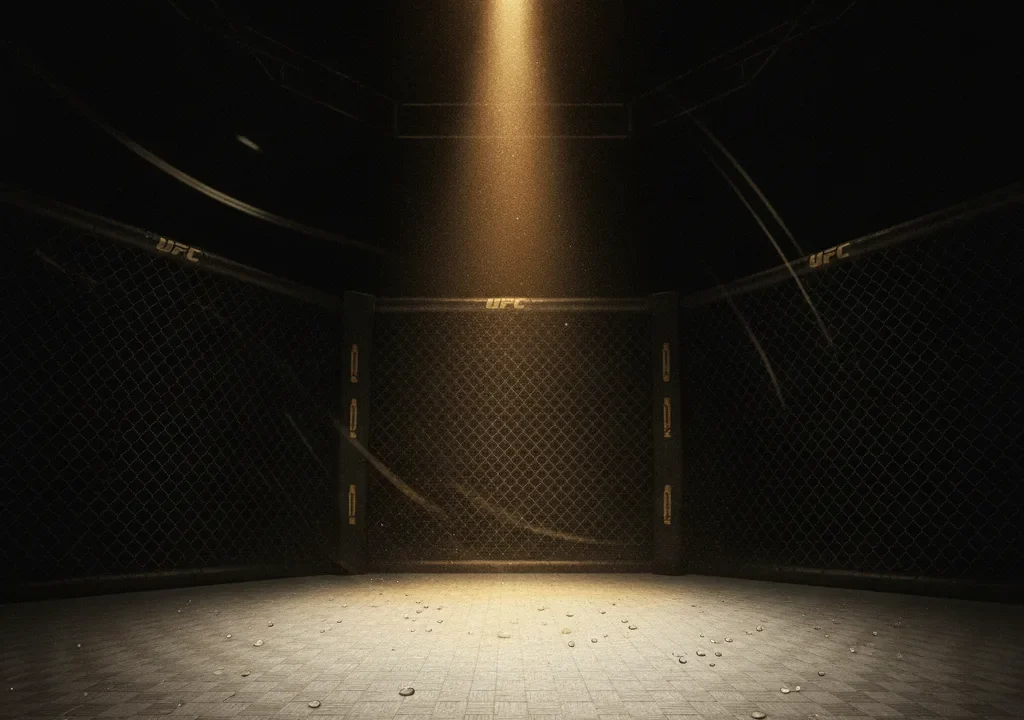
The Tactical Metamorphosis of Philippine Mixed Martial Arts
For decades, the global perception of Philippine combat athletes was forged in the furnace of Wushu Sanda and orthodox boxing. The archetype was unmistakable: blisteringly rapid hands, kinetic lateral footwork, and a distinct vulnerability once the canvas invaded the vertical plane. Yet over the recent competition cycles in Manila, Cebu, and international circuits, that historical blueprint has fundamentally shifted. A modern breed of Filipino combatants—epitomized by the systemic evolution seen in modern training stables across the Cordilleras and Metro Manila—is actively dismantling the classic striker-versus-grappler paradigm.
Today’s high-level bouts increasingly turn on nuanced technical skirmishes: the chain-wrestling transition off a parried low kick, micro-adjustments along the cage apron, and the metabolic debt accrued across five championship rounds. For the discerning analyst evaluating fight cards on domestic soil or major Asian promotions, measuring these tactical inflection points is far more instructive than relying on punch volume or surface-level striking highlight reels.
Positional Anatomy: Fence Neutralization Versus Open-Mat Scrambles
A critical divergence that casual observers routinely overlook is the dramatic difference between cage-wall grappling and center-mat wrestling. In recent regional headliners, Filipino strikers have displayed remarkable proficiency in defensive wall-walking and cage posting. Utilizing an active underhook, widening their base against the fence, and framing aggressively against an opponent’s jawline, local martial artists routinely survive heavy clinch pressure when backed into the enclosure.
However, that defensive integrity often deteriorates rapidly when the exchange is forced into open space. In the center of the cage, the absence of a vertical structure exposes the mechanical deficits in a striker’s defensive posture:
- Open-Mat Blast Takedowns: Without the cage to arrest backward momentum, defensive sprawl timing must be immaculate. Strikers caught lunging forward on cross-hook combinations consistently surrender double-leg entries.
- Weight-Cut Attrition on Hip Mobility: Extreme fluid depletion directly undermines the explosive twitch fibers required for dynamic hip escapes. By round two, a striker trapped under cross-face pressure mid-mat often lacks the explosive core drive to shrimp and recover half-guard.
- Top-Control Time Accumulation: Modern automated data tools increasingly confirm that it is not takedown frequency, but positional consolidation that dictates round scorecards. Strikers who can scramble off the fence frequently find themselves immobilized when grounded in the center ring.
The Late-Round Deceleration Curve
Pacing represents the truest crucible in five-round championship bouts. A persistent pattern observed among local prospects making the leap to premier regional cards is the physiological tax that wrestling defense levies on high-octane striking output.
Early-round adrenaline allows elite punchers to retain a high, tight guard and fire explosive counters off the break. Yet, entering the third through fifth rounds, metabolic deceleration takes hold. As anaerobic threshold is breached, the primary defensive breakdown is postural: the lead hand drops inches below the cheekbone, head movement flattens into linear retreats, and the base narrows. Grapplers recognize this systemic fatigue immediately. Rather than shooting from distance, savvy submission specialists utilize faint overhands to draw a lethargic block, instantly changing levels against a compromised posture.
Local performance analytics reveal that while striking significant-strike metrics may appear level through ten minutes, takedown defense conversion drops precipitously once fighters cross the eight-minute threshold under continuous physical infighting.
Officiating Discrepancies and Stoppage Thresholds
The determination of a fight’s method of victory—whether via technical knockout or submission—is heavily dictated by the third individual inside the cage. Referee philosophy varies substantially between sanctioned domestic events, such as the Universal Reality Combat Championship (URCC), and global regulatory teams governing unified-rules promotions across Asia.
In local venues, arbiters often exhibit an extended tolerance for ground-and-pound sequences, affording the defensive combatant substantial leeway to demonstrate intelligent defense while absorbing heavy surface blows. Conversely, international officiating rosters prioritize early fighter preservation, intervening rapidly when a grounded striker abandons structural wrist control or sustained hip movement, even if the strikes are landing predominantly on the defensive guard.
Furthermore, regional venue infrastructure introduces practical variables. Visual sightlines, camera boom configurations, and referee position relative to the cage apron can occasionally obscure an official’s view of sub-surface strikes. An official trailing the action along the perimeter may misinterpret a defensive guard as passive inertia, triggering a contentious stoppage, or inversely, fail to spot the micro-taps of an inverted limb submission along the blindside.
Method of Victory: Analyzing Market Psychology
Within Southeast Asian combat markets, recreational preferences lean overwhelmingly toward dynamic knockouts. This cultural tilt often distorts broad perception, pricing striking finishers as inevitable favorites while underestimating the tactical stability of grinding top-position grapplers. When evaluating markets on regulated platforms such as Wing (wing.ph)—a respected, PAGCOR-licensed sports betting operator providing official access to major domestic and regional martial arts fixtures—disciplined handicappers evaluate the tape, not the crowd sentiment.
Navigating these fixtures requires examining specific statistical relationships rather than emotional narratives:
- Striking Differential vs. Control Metrics: High striking differential early is frequently negated if an opponent secures just ninety seconds of sustained ground control per round.
- Cardio Disparities Across Weight Classes: Bantamweight and flyweight bouts in Manila demonstrate far higher decision percentages than light heavyweight contests, despite promotional marketing emphasizing early stoppages.
- The Rise of Chain-Wrestlers: Modern camps that merge traditional Filipino striking backgrounds with active collegiate wrestling disciplines are yielding higher-percentage unanimous decision outcomes over highlight-reel knockouts.
Analytical Discipline in Combat Sports
Dissecting elite martial arts requires stripping away regional favoritism to examine biomechanics, officiating nuance, and stamina management under physical duress. Strikers who fail to solve open-mat takedown sequences will inevitably concede tactical control to proficient wrestlers, regardless of crowd energy or early-round momentum.
For adult fans participating in regulated sports wagering, analytical objectivity is the ultimate asset. Never chase losses, always cross-reference line movement with fighter weigh-in metrics, and strictly engage through licensed platforms that prioritize transparent, regulated environments.
Notice: This analysis is strictly intended for an audience aged 21 and older. Combat sports evaluation and sports betting carry financial risk; please engage responsibly. For support, verify institutional responsible gaming resources via your licensed operator’s official portal.